
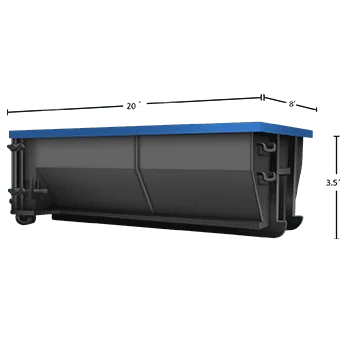
A delivered container with room to work
A roll-off rental needs a standing position that works for the offered container and its delivery vehicle. Describe the entrance, surface and surrounding obstacles, including any overhead restrictions. Have the service confirm the required space rather than relying on dimensions from an unrelated picture.
Think about loading as well as arrival. People need a workable approach, and any offered loading door must have room to operate. Keep the container away from access that the property must maintain, with the final position agreed by the responsible site contact.
Check the right authority for public-space placement
Within the City of St. Louis, placing a dumpster so it blocks a street, sidewalk or curb lane requires the City’s right-of-way blocking permit. Its application considers the affected space, dates and pedestrian or traffic arrangements. Resolve that placement with the responsible authority before delivery.
This City requirement is not automatically the rule for every private standing area, St. Louis County municipality or Illinois address. Give the precise location when discussing placement. The equipment provider’s authorization and permission to occupy a particular public space are separate matters.
Protect the collection access and accepted load
Ask for the material restrictions and loading limits that apply to the selected equipment and receiver. Keep excluded items out and follow the agreed filling instructions. A container that can hold a material physically is not proof that the material is accepted for transport and disposal.
Keep access available for collection and explain any change to gates, parked vehicles or the project schedule. Use Get a Quote with the debris, dates and property details, including any planned changeout, so the offer covers the complete rental.